 0
0
 0
0
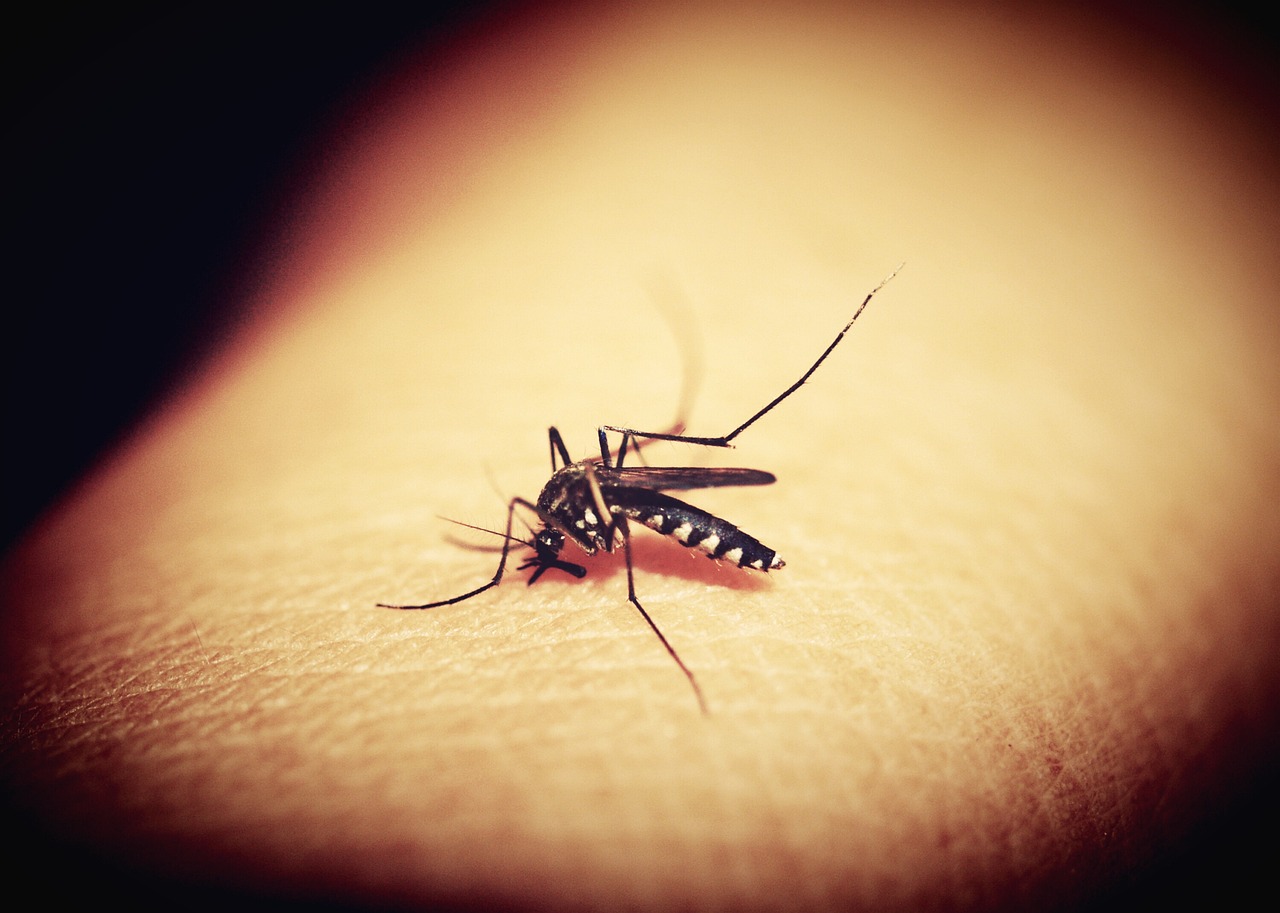
Graz, Austria – Graz is dramatically expanding its fight against the invasive Asian tiger mosquito (Aedes albopictus) this year. City officials announced on Tuesday that between six and eight million sterile male mosquitoes will be released across several southern districts—around ten times more than in last year’s pilot project.
The tiger mosquito, known for its aggressive daytime biting and its ability to transmit diseases such as dengue fever, Zika virus, and chikungunya, has been steadily spreading across Europe. Graz is now doubling down on innovative methods to keep the population in check.
A Successful Pilot Project
In the summer of 2023, approximately 600,000 male tiger mosquitoes were sterilized using X‑rays at the International Atomic Energy Agency (IAEA) laboratory and released in a designated test area in Graz. The goal was simple: sterile males mate with wild females, resulting in no offspring.
The method—known as the Sterile Insect Technique (SIT)—worked. Mosquito numbers in the test zone dropped noticeably, prompting the city to scale up the program.
A Tenfold Increase in 2024
Health councillor Robert Krotzer (KPÖ) and representatives from the Graz Health Department, Eva Winter and Erwin Wieser, presented the expanded plan. With a budget of around €150,000, the city will rely again on the expertise of the IAEA to determine the most affected areas.
Wieser noted that citizen reports via the Mosquito Alert app also play a key role in mapping mosquito hotspots. “We use these sightings to refine our strategy throughout the summer,” he explained.
New Technology: The “ZikaSeal System”
Alongside SIT, Graz is testing a new preventive measure in cooperation with the University of Copenhagen. Fifty manholes in two streets will be fitted with the “ZikaSeal System,” a device that seals sewer shafts—prime breeding sites for tiger mosquitoes. The seal automatically opens during rainfall to allow water to drain.
If successful, the system could replace a labor‑intensive practice: a Graz Holding employee currently travels thousands of kilometers each summer to spray BTI larvicide into gullies.
Schools, Kindergartens, and Community Involvement
This year, selected schools and kindergartens will also receive professional mosquito traps to reduce local populations.
But officials stress that public cooperation remains essential. “Open garden gates are incredibly important for us,” Wieser emphasized. Health department teams regularly inspect private gardens for potential breeding sites, offering advice and eliminating standing water. Not everyone welcomes these visits, he admitted, but community participation remains one of the most effective tools in the fight against the mosquito’s spread.
- source:heute.at/picture: pixabay.com



This post has already been read 6513 times!